


Infection Control News: What’s Behind the Surge in Pertussis Cases?
With all the viruses the world has faced in the past few years, one has made an unexpected and alarming return this season: whooping cough. Cases in West Virginia, Kentucky, and Arkansas are on a sharp rise, driven by a variety of factors that are tragically leading to deaths in vulnerable patients. Furthermore, these figures likely do not account for cases that have yet to be publicly reported. With numbers rising across the country, the best way to combat the spread is to stay informed.
In this article, we look at reports from Infection Control Today and CIDRAP (the Center for Infectious Disease Research and Policy). Their data details the recent surges and highlights what health officials say we must do to prevent further spread.
The Situation in West Virginia and Kentucky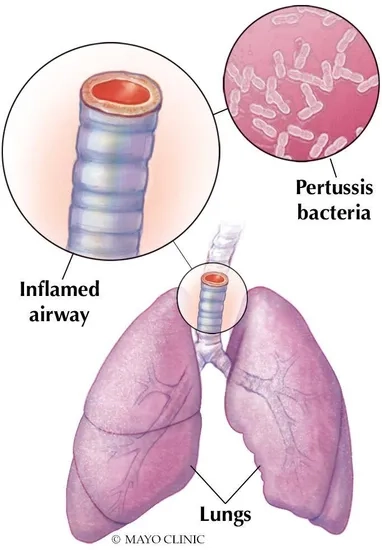
On November 27th, 2025, Infection Control Today detailed a spike in pertussis cases in West Virginia and Kentucky. New vaccine exemptions and other social factors have contributed to record numbers, leaving infants and high-risk patients particularly vulnerable.
Pertussis, or whooping cough, is a highly contagious, vaccine-preventable bacterial illness caused by Bordetella pertussis. It causes a severe respiratory infection known for intense coughing fits characterized by a high-pitched “whooping” sound. Symptoms include airway swelling, heavy mucus buildup, and significant breathing difficulty.
The U.S. has seen a dramatic increase in cases, with 2024 numbers reported as six times higher than in 2023—a trend continuing well into 2025. West Virginia is currently seeing its largest increase in 15 years. While West Virginia has not reported infant deaths in 2025 as of this writing, Kentucky has recorded multiple infant deaths among unvaccinated babies in the last 12 months.
Kentucky’s Health Secretary, Steven Stack, MD, MBA, stated: “We are deeply saddened to learn of another infant death in Kentucky due to pertussis and are concerned by the volume of cases we are seeing throughout the commonwealth.”
The Arkansas Reports
On December 31st, 2025, CIDRAP published a report on a large surge in pertussis activity as part of a year-end rise in multiple respiratory diseases. Arkansas reported more than 500 new cases, the highest annual total since the state began collecting data 15 years ago.
According to a state health department press release, these pertussis cases are widespread, with more than 50 counties logging at least one case. Children and adolescents make up the majority of these infections. There have been at least 50 hospitalizations, with infants younger than one year accounting for 60% of those stays. Arkansas has also reported one pertussis-related death this year.
What Were Officials Saying Could Stop the Surge?
Health officials at both the state and national levels agree: vaccination is the best defense. DTaP, the primary vaccine series for children starting at 2 months of age. And Tdap Boosters, essential for adolescents, adults, and pregnant individuals to reduce the risk of transmission to newborns. Both are encouraged to help contain the spread and prevent a further rise in cases.
In West Virginia, state leaders describe the trend as a “significant rise,” noting that about 22% of patients require hospitalization. Amidst this surge, the West Virginia governor instructed the health department to allow religious exemptions for the vaccine—a move currently being challenged in court by school boards and criticized by clinicians who view pertussis as a preventable, deadly threat.
In Arkansas, public health officials are also encouraging Post-Exposure Prophylaxis (PEP). PEP involves a short course of antibiotics after a known exposure to lessen symptoms and render the bacteria noninfectious to others.
Final Thoughts
The resurgence of pertussis is a clear threat to public health. This is not just a matter of rising numbers; it is a matter of preventable loss of life among infants and children. While we navigate a landscape of “vaccine fatigue” and online misinformation, the medical consensus remains clear: widespread adherence to vaccination schedules is the only way to build a protective barrier for our communities.
To read the full stories from Infection Control Today and CIDRAP, you can find the links here. If you have questions about infection control or infection prevention products, give us a call at 704-966-1650. For more news and updates, stay tuned to Sterilizer Autoclave Solutions.
As always if you have any questions about this process or anything else please feel free to contact us and take advantage of our “FREE TECH SUPPORT.”
We also offer FREE VIRTUAL TECH SUPPORT to “See and Talk” with a “Real Time Live Technician” for any problems you may be in need of help with.
You can also use our “FREE MAINTENANCE PROGRAM”. Take the guesswork and worrying about what unit is due for maintenance and which maintenance cycle it is time for. We will keep track of all your autoclaves and let you know when it’s time for anything.