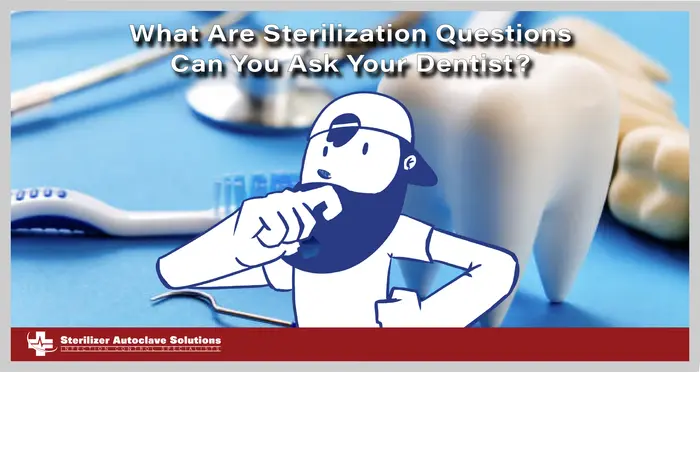
What Are Sterilization Questions You Can Ask Your Dentist?
When you sit down in the dental chair, your expectation is simple: a healthy, safe visit. While you trust your dental team to follow every procedure correctly, knowing what to look for and what questions to ask is the best way to become a proactive partner in your own care. The highest standards in dentistry are built on transparency, especially concerning sterilization, as well as general hygiene.
So in this article, we’d like to look at ways you can utilize this transparency. People can walk into a dental appointment feeling scared or confused by the unknown. For proper peace of mind, all you have to do is ask, so we’ll show you how!
Question 1: How Do Dentists Sterilize Their Tools?
This is a basic question, that when inquired about, a reputable dentist office will choose the ethical route to answer your questions. Governing boards of dentistry like the American Dental Association urge dental practices to exercise transparency and trust. So if you’re worried about how their instruments are processed, here are some ways to ask:
- “How do you sterilize your instruments after you use them?”
Or, you could also say:
- “How do you know that the instruments you’re using are sterile?”
These questions will most likely point you to the autoclave. They can give you detailed instructions on how the instruments are processed and stored after use for the next time. Especially since any kind of practice is supposed to keep accessible documentation on any and all sterilization processes. Proper data logging is important to ensure that all of their sterilization processes are functioning and performed on time.
So if you ask about sterilization, there’s a list of various ways to find an answer that can put your mind at ease.
Question 2: How Do Dentists Package Their Instruments?
This next questions stays in the umbrella of sterilization but deviates a bit. Once the instrument are used, they’re packaged for sterilization. Usually through sterilization pouches. So if you’re curious about it, you could ask:
- “What kind of packaging do you use for your instruments to keep them sterile?”
Any variation of this question points to the same thing: sterilization pouches. Asking your dentist about how their instruments are packaged during sterilization is important. Sterilization pouches are vital to sterilization and storage of the instruments. One faulty seal or tear in the packaging means that those tools are no good.
Always ensure that when your dentist uses their tools, that they come from a sealed package. Each instrument and device should be wrapped and sealed tight. If you don’t hear the sound of that plastic seal tearing when they begin, they’re not doing it right.
Question 3: What Kind of Personal Protection Equipment Do Dentists Wear?
Personal Protective Equipment (PPE) is a staple in any practice, medical, dental, or otherwise. It’s the barrier that not only keeps the wearer safe during procedures… But it also provides protection for the patient, so that there’s no chance of infection from anything that could be on their face, hands or body. It’s a sterile measure that everyone is required to use. That means that there are possible questions you can ask regarding their protective equipment.
- “How often do you change your gloves/mask/etc?”
This question can be asked in a number of ways depending on which piece of equipment you want to know about. Their equipment has proper times to which it should be changed. So if you want to ask this question, here’s the giveaway:
Gloves – Should be changed after every patient. Everyone is handled with a fresh pair.
Masks – Masks are usually disposable. They should also be changed after every patient.
Isolation Gowns – These are a bit different, there are instances where they should be changed after every patient. But if the gown is visibly soiled, they should also change it.
Face Shield – Face shields are typically reusable, so they can be cleaned. But if you’ve seen the aftermath on your dentist’s shield after a procedure, then this should make sense. Face Shields should be cleaned and disinfected between each patient. No exceptions.
Protective Eyewear – This usually means things like goggles or eyewear to help protect them during procedures that involve splashing liquids. These are also reusable usually. Eyewear should also be cleaned and disinfected after each patient. Disposable goggles just sound like an environmental hazard really.
Question 4: How Do Dentists Keep the Water Clean?
Dental waterlines are part of the lifeblood in the office. These water filtration systems help deliver the necessary water quality when needed. Instruments like the rinsing hoses or dental drills that filtered water to help with the procedure. These tools are all hooked up to a central filtration unit that delivers the filtered water.
You know that now that you’ve read it, but when you’re at the dentists office, you should ask them questions like:
- “How do you keep your water clean?”
Or even:
- “How does the water you use get filtered?”
Both of these questions will lead them to tell you about their filtration system. Every dental practice is required to meet CDC water quality standards. Whether it’s through a regular filtration system, a water treatment system or anything else. Inquiring about the water quality is a good way to learn how dental water is filtered and used. It’s also a good way to find out if your dentist is up to snuff. There are many ways for dental water to be properly treated to standard and filtered out after it’s been used.
Question 5: How Do Dentists Disinfect Their Workspace?
Sterilization of the instruments used on you is a very important step in the process. But there’s always the big picture. Disinfecting the workspace or patient area after it’s been used is equally as important. Bacteria doesn’t just live on the tools they use, after all. Knowing how your dentist disinfects the various surfaces with high touch volume and especially the things you come into contact with is important. So here’s a way you can inquire about surface disinfection:
“What is the procedure for disinfecting the area between patients?”
There are many ways to disinfect surfaces, and many different products available. So when asked, they can give you the rundown on what they use and where they use it. There are many areas in need of disinfection in any dental practice that would include:
- The dental chair and any control switches, buttons and panels on it.
- Workstation surfaces and attachments like an x-ray head.
- Countertops and cabinets.
- Handles, doorknobs and other areas with high touch volume.
These are some of the things to look for, the list itself will vary depending on what they use for your procedures, but there are areas that remain consistent. The other thing to note is ensuring your dentist is using disinfection products that meet the proper standards for disinfection, and that they’re using them as instructed for proper contact time for maximum effect.
Question 6: What Single-Use Items Get Disposed Of?
There are many instruments used in a dental arsenal. But not all of them can survive the heat and pressure of steam sterilization. So we adapted and shifted these items to single-use, disposable variants. And there are quite a few of them that are used and disposed of after their use in a procedure. The thing to look for though, is to make sure that they ARE being disposed of and not being reused on you. Believe it or not, not even a proper disinfection can change that. Single-use items are called that for a reason, and you have every right to ask about their use.
One way you could go about asking would be something like this:
“Which instruments that you use are only single-use/disposable?”
You can follow this up with:
“Are they properly disposed of after each patient?”
You could also ask about how they’re disposed of, but in these cases, they’re usually thrown away, as you’ll see. Single-use items that you’ll see used in a dental procedure come in many forms, some of them being things like:
- Suction Tips (High-Volume Evacuator and Saliva Ejector).
- Air/Water Syringe Tips (The three-way syringe used to spray air and water).
- Prophy Cups (The rubber cup used for polishing).
- Brushes and Applicators for etchants/bonding agents.
When asked about, the dentist should always confirm that these items are properly disposed of after their single-use is up. Reusing any single-use material is completely unhygienic and unethical. It increases the risk of cross-contamination greatly. If the previous patient came into contact with something, or had something that made its way onto that tool… reusing something against instructions means that it could negatively affect you.
So always be sure that when it comes to single-use tools, that your dentist is managing them properly.
Final Thoughts
Ultimately, the most trustworthy dental offices view their infection control procedures not as regulations, but as a promise to their patients. By asking these four simple yet crucial questions, you aren’t challenging your dental team—you are engaging with them as an informed partner.
A truly reputable office will welcome your inquiries and be able to provide clear, confident answers. Demonstrating their commitment to maintaining the highest level of cleanliness, sterility, and safety. Furthermore, asking questions and getting proper answers helps put your mind at ease. There’s always a stigma around the fear of going to the dentist, but thankfully, one of the best ways to alleviate it is to just ask.
If you have any questions about dental instruments, infection control products, or anything else, give us a call at 704-966-1650 and we’ll help you find what you need.
As always if you have any questions about this process or anything else please feel free to contact us and take advantage of our “FREE TECH SUPPORT.”
We also offer FREE VIRTUAL TECH SUPPORT to “See and Talk” with a “Real Time Live Technician” for any problems you may be in need of help with.
You can also use our “FREE MAINTENANCE PROGRAM”. Take the guesswork and worrying about what unit is due for maintenance and which maintenance cycle it is time for. We will keep track of all your autoclaves and let you know when it’s time for anything.