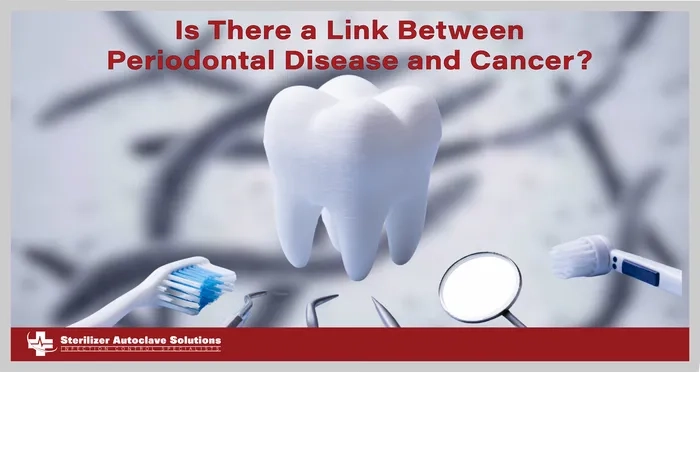
Is There a Link Between Periodontal Disease and Cancer?
In late April 2026, the Dental Tribune reported on this Baltimore-based study, which suggests that the oral microbiome could potentially influence diseases like cancer in areas beyond the oral cavity. Essentially, the study indicates that certain bacteria may contribute to tumorigenesis—the multi-step process by which healthy cells mutate into cancerous ones. With there being potential for a link between periodontal disease and breast cancer due to some similarities.
Recent studies led by Dr. Sharma have brought a common inhabitant of the mouth, Fusobacterium nucleatum (F. nucleatum), into the spotlight. Typically found in dental plaque and associated with gum disease, this bacterium is known for its ability to travel through the bloodstream. In this article, we’d like to look at an article written recently by the Dental Tribune. They go over the study, with comments from Dr. Sharma, on why f. nucleatum could be a potential link between periodontal disease and breast cancers.
What is F. nucleatum?

F. nucleatum is a gram-negative, anaerobic bacterium commonly associated with periodontal disease. However, this specific bacterium has also been linked to a wide spectrum of other afflictions, ranging from pregnancy complications and inflammatory bowel syndrome to systemic infections and colorectal cancer. Its ability to spread through the circulatory system makes it a formidable subject of study.
What Does the Research Say?
The research indicates that once it enters circulation, F. nucleatum has the capacity to reach distant sites in the body, including breast tissue. This suggests that the impact of oral microorganisms is not restricted to the mouth but may extend to other biological environments.
Dr. Sharma commented:
“We found that F. nucleatum was present in breast cancer tissue. Interestingly, the abundance of these bacteria in breast tumors positively correlated with the oral levels of these opportunistic pathogens in the same patient. We also observed that healthy mice given F. nucleatum developed mammary gland hyperplasia in a few weeks. Additionally, tumor-bearing mice exhibited accelerated breast tumor growth upon exposure. These pathogenic bacteria also imparted breast cancer cells with higher migration and invasion capabilities, which are key features associated with metastatic progression.”
The research further identified a specific molecular mechanism behind this progression. F. nucleatum induces DNA damage in breast cells, forcing them to use an error-prone repair process known as non-homologous end joining. This “sloppy” repair leads to genetic mutations that make cancer cells more aggressive. Notably, the study revealed that the presence of the bacterium in breast tumors significantly accelerated metastasis to the lungs and reduced the effectiveness of chemotherapy.
Genetics also appear to play a role. The study found that breast cells with BRCA1 mutations are particularly vulnerable. These high-risk cells possess higher levels of a specific surface sugar that allows the bacterium to bind and enter more easily. Which leads to increased bacterial retention and amplified DNA damage.
While researchers emphasize there is no direct causal link yet established in humans, the findings suggest one key point. Maintaining oral health and managing periodontal disease could be a possible component in disease prevention.
Final Thoughts
This study marks a significant step in understanding how our body systems are interconnected. While the research hasn’t yielded a proven direct cause yet, the potential for new evidence is high. With oral bacteria linked to conditions as dangerous as cancer, every new revelation is vital. If oral health truly serves as a prevention strategy, it represents a major step forward in fighting against the disease.
Read More: You can find the full story on the Dental Tribune here. Contact Us: If you have questions about infection control, call us at 704-966-1650. We are here to help you find the information you need.
As always if you have any questions about this process or anything else please feel free to contact us and take advantage of our “FREE TECH SUPPORT.”
We also offer FREE VIRTUAL TECH SUPPORT to “See and Talk” with a “Real Time Live Technician” for any problems you may be in need of help with.
You can also use our “FREE MAINTENANCE PROGRAM”. Take the guesswork and worrying about what unit is due for maintenance and which maintenance cycle it is time for. We will keep track of all your autoclaves and let you know when it’s time for anything.