What is Quat-Binding?
We’ve talked at length about the use of proper wipes in your practice—why it’s important to use wipes that can effectively eliminate bacteria and pathogens, the dangers of improper wipes, and even spotlighting specific products. But wipes aren’t the only way to properly disinfect a surface. With all the focus on wipes, it’s sometimes easy to forget about their bottled counterparts.
Surface disinfectants also come in liquid form, many of which have corresponding wipes. Liquid or spray disinfectants are usually used in tandem with a microfiber cloth to wipe down surfaces. However, with bottled disinfectants, you can run into an issue similar to one you’d face when using improper wipes. It’s a phenomenon rooted in molecular science—both fascinating and an excellent reminder of why using the proper equipment is vitally important for your practice. So in this article, we’ll take a closer look at this phenomenon and ask: what is quat-binding?
What is Quat Binding?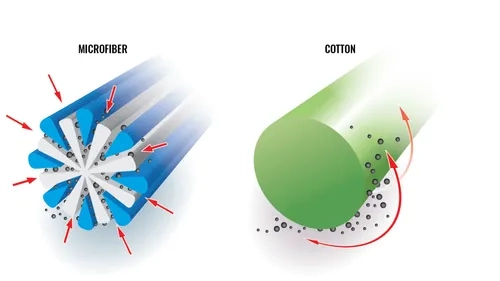
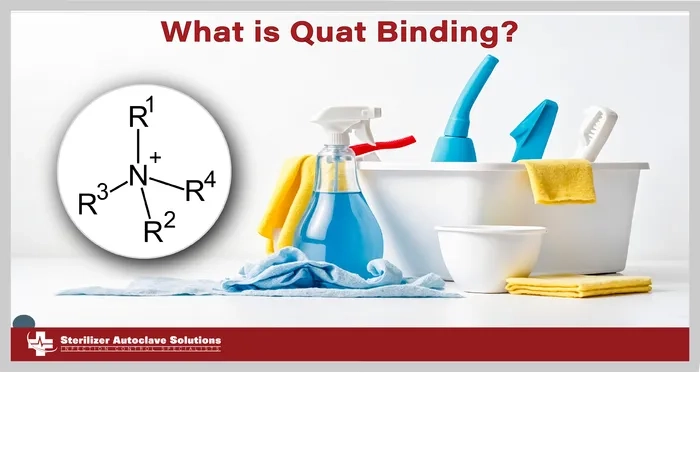
Quat-binding is a chemical phenomenon where the active ingredients in a disinfectant—quaternary ammonium compounds (quats)—become physically trapped within the fibers of a cleaning tool rather than being released onto the surface.
Quats are the most common active ingredients in hospital-grade disinfectants because they are highly effective against a broad spectrum of microorganisms. When binding occurs, the liquid that actually reaches the surface has a much lower concentration of “kill agent” than the manufacturer intended. This can lead to sub-lethal levels of disinfectant being applied, which fail to eliminate pathogens and may contribute to the development of antimicrobial resistance.
How Does Quat Binding Occur?
Quat-binding is driven by the simple chemistry of Ionic Attraction. Quaternary ammonium compounds are cationic surfactants, meaning they carry a strong positive charge. To complete the attraction, a negative charge is needed. Many common textiles—particularly natural fibers like cotton and cellulose (found in paper towels)—carry a negative charge when wet.
When a cloth is dipped into a bucket of quat-based disinfectant, a “magnet” effect occurs. The positively charged quats molecules are attracted to the negatively charged fibers of the cloth. As a result, the active ingredients bind to the cloth instead of reaching the surface. Rather than actively disinfecting, the solution becomes significantly less effective.
Studies have shown that a cotton rag can strip up to 90% of active quats from a solution in just 10 minutes. That leaves you with what is essentially scented water—a liquid that gets pushed around on the surface instead of removing harmful bacteria.
How Do You Prevent Quat Binding?
To ensure that your clinical surfaces are truly disinfected, you need to eliminate or reduce ionic attraction. Switching from cotton or cellulose-based cloths to synthetic materials like polypropylene or polyester can help combat binding. These fibers don’t carry the same negative charge and won’t “steal” the quats from the solution.
Another reliable way to avoid quat binding is to use professional, pre-saturated disinfectant wipes. These are engineered with compatible synthetic fibers and the precise chemical ratios needed to ensure the active ingredients are released onto the surface as intended.
How Do You Avoid Quat Binding When Still Using Cloths?
If you still use cloths or other materials to wipe a surface, there are several techniques you can apply:
- Spray-to-surface: Apply the disinfectant directly to the surface rather than spraying the cloth. This allows the quats to interact with microbes before they have a chance to bind to the cleaning textile.
- Dip and wipe: Dip the cloth into the disinfectant for a few seconds before use. A controlled dipping method can help reduce quat loss and improve effectiveness.
- Soak and wipe: Soak the cloth for a longer period (at least 10 minutes). This method works similarly to dip and wipe by creating a controlled setup that may reduce binding.
There’s no way to determine if quat binding has occurred just by looking at your cloth. Instead, you’ll need test strips designed to measure quat concentration. These strips are typically used to verify that a cleaning solution has the proper parts-per-million (ppm) concentration and use color indicators to show results.
One method, outlined in an article by Medi-Clean, involves testing the solution at its intended dilution, then inserting a cloth for five minutes before removing it. If no binding has occurred, the second test strip should show the same result as the first. If the reading is lower, binding has taken place—indicating that you may need to adjust your cleaning method, such as switching to microfiber or other synthetic materials to reduce quat loss.
Final Thoughts
At the end of the day, understanding quat-binding is the difference between a surface that looks clean and one that is actually safe. It’s easy to assume that if you buy a powerful disinfectant and grab a rag, germs don’t stand a chance. But as we’ve seen, the wrong cleaning cloth can act like a “chemical magnet,” trapping germ-killing ingredients before they ever reach the surface.
Whether you’re working in a dental office or simply cleaning your kitchen, the lesson is the same: if you’re using a high-grade disinfectant spray, stick to synthetic cloths or apply the solution directly to the surface. Don’t let a simple cotton rag “steal” the protection you paid for. In infection control, it’s not just about having the right tools—it’s about making sure those tools can actually do their job.
If you have any questions about surface disinfection, or anything else, give us a call at 704-966-1650 and we’ll help you find whatever you need! You can also find our vairou sprograms available to anyone for FREE using the links below.
As always if you have any questions about this process or anything else please feel free to contact us and take advantage of our “FREE TECH SUPPORT.”
We also offer FREE VIRTUAL TECH SUPPORT to “See and Talk” with a “Real Time Live Technician” for any problems you may be in need of help with.
You can also use our “FREE MAINTENANCE PROGRAM”. Take the guesswork and worrying about what unit is due for maintenance and which maintenance cycle it is time for. We will keep track of all your autoclaves and let you know when it’s time for anything.