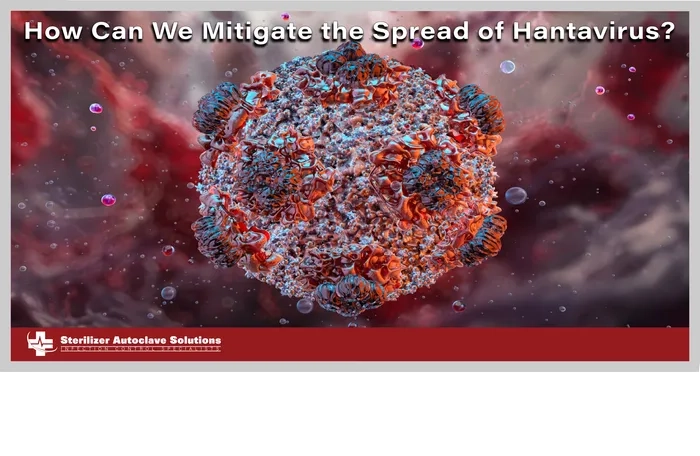
How Can We Mitigate the Spread of Hantavirus?
In recent news, there’s been a reported outbreak of the zoonotic hantavirus on a cruise ship at sea. The Dutch-flagged expedition ship, the MV Hondius has had multiple reported cases. By may 4th, there were 7 cases, including 2 confirmed hantavirus infections, 3 deaths, 1 critical case and 3 mild cases. While the global risk is low, staying informed on the news and how to mitigate the spread is equally important.
So in this article, we’d like to look at the story reported by Infection Control Today. They go over the findings and challenges of dealing with the hantavirus in a high-density environment. As well as consult professionals on how to mitigate the spread and prevent it from getting any further. Which can also help possibly contain viral outbreaks of any kind in environments like that, should the need arise in the future.
What is the Hantavirus?
Hantaviruses are a family of viruses primarily carried by rodents. While infections are relatively rare, they can lead to severe and potentially fatal illnesses in humans.
Transmission typically occurs through contact with bodily fluids or droppings of infected rodents. People usually become ill after inhaling particles in the air in poorly ventilated environments. But direct contact can also cause infection. While human-to-human transmission is extremely rare, it has been documented with the Andes virus, a specific strain primarily found in South America.
These viruses generally cause two major types of illness. In the Americas, hantavirus often leads to Hantavirus Cardiopulmonary Syndrome (HCPS), which causes dangerous fluid buildup in the lungs and severe heart and respiratory distress. In Europe and Asia, the virus is more frequently associated with Hemorrhagic Fever with Renal Syndrome (HFRS), which primarily impacts the kidneys and blood vessels.
Illness usually begins with flu-like symptoms, including fever, fatigue, headaches, and significant muscle aches in large muscle groups. As it progresses, it can quickly escalate to shortness of breath and respiratory failure. Because there is no specific cure, medical treatment is focused on supportive care, often requiring intensive care and respiratory assistance. Consequently, the most effective defense is prevention. Which centers on avoiding contact with rodents and safely cleaning areas where they may have nested.
What Makes these Cases Unique?
The recent cruise ship cluster of viral cases involved the Andes virus. A unique strain capable of limited person-to-person transmission through close contact. While the general risk to the public remains low, the severity of this incident—which included confirmed infections and fatalities—emphasizes the importance of early detection and rapid response when dealing with emerging biological threats.
What is the Challenge of Hygiene in High-density Places?
Cruise ships act as microcosms of broader public health challenges. The close quarters, shared dining spaces, and high volume of high-touch surfaces create an environment where pathogens can spread rapidly if hygiene protocols falter. While hand hygiene is the cornerstone of prevention in these settings, achieving consistent adherence is difficult. Passengers, often focused on the leisure aspects of their vacation, may underestimate potential risks.
Infection prevention professionals have noted that visibility is key to driving better behavior. The use of clear signage, accessible hand sanitizer stations, and proactive staff reminders can significantly improve compliance. However, adherence is only one piece of the puzzle; effectiveness is equally critical. For instance, the volume of sanitizer used, the technique applied, and the availability of soap and water are essential factors that determine whether transmission is truly mitigated.
How Can You Approach Proper Preparedness?
This outbreak serves as a call for a more robust, systems-based approach to infection prevention. Effective programs cannot rely on routine measures alone; they require a culture of continuous readiness. This encompasses a multidimensional strategy:
- Environmental Hygiene: Maintaining strict cleaning and disinfection standards for high-touch surfaces—such as handrails, elevator buttons, and common areas—is paramount.
- Integrated Pest Control: Since hantavirus is fundamentally linked to rodent exposure, comprehensive rodent control measures must be deeply integrated into the facility’s overall sanitation strategy.
- Surveillance and Workforce Training: Early detection of respiratory illness is vital. This requires staff who are trained to recognize symptoms quickly and emergency preparedness systems that can activate rapidly when a cluster is identified.
- Proactive Education: Educating travelers and crew alike helps create a safer, shared environment where everyone plays a role in breaking the chain of infection.
In the article, Shahbaz Salehi, MD, MPH, MSHIA, director of infection prevention and control and employee health at Foothill Regional Medical Center in Tustin, California, had this to say: “Although most cruise ships have public health officers onboard to ensure the safety of both staff and passengers, many of these professionals are not equipped with the level of training and expertise in infection prevention found among dedicated infection preventionists (IPs),”
“Postpandemic, IPs have demonstrated the ability to manage and control outbreaks more effectively than any other discipline, and this is a capability that is often lacking in the cruise ship industry. The cruise ship industry should consider adopting and emulating hospital-based infection control practices for their public health staff.”
But with any outbreak event, the goal remains the same: reduce transmission and protect the public through well informed- proper infection control strategies.
Final Thoughts
The situation aboard the MV Hondius serves as a vital wake-up call, reminding us that even the most relaxing travel environments require rigorous safety standards. While the risk of encountering a rare virus like hantavirus remains statistically low, the rapid, sometimes unpredictable nature of these outbreaks highlight the needs for maintaining proper infection control in a high-density environment.
Moving forward, the travel industry has a significant opportunity to bridge the gap between basic sanitation and the advanced, specialized infection control practices used in modern hospitals. By prioritizing expert-led training, proactive surveillance, and a culture of shared responsibility between crew and passengers, we can ensure that the focus remains on enjoyment and exploration. All without compromising the safety of everyone on board.
For the full story, you can find the link to Infection Control Today here. If you have any questions about sterilization, infection control, or anything else… please give us a call at 704-966-1650 and we’ll help you find what you need.
As always if you have any questions about this process or anything else please feel free to contact us and take advantage of our “FREE TECH SUPPORT.”
We also offer FREE VIRTUAL TECH SUPPORT to “See and Talk” with a “Real Time Live Technician” for any problems you may be in need of help with.
You can also use our “FREE MAINTENANCE PROGRAM”. Take the guesswork and worrying about what unit is due for maintenance and which maintenance cycle it is time for. We will keep track of all your autoclaves and let you know when it’s time for anything.
You can read the full story from Infection Control Today on their site here.