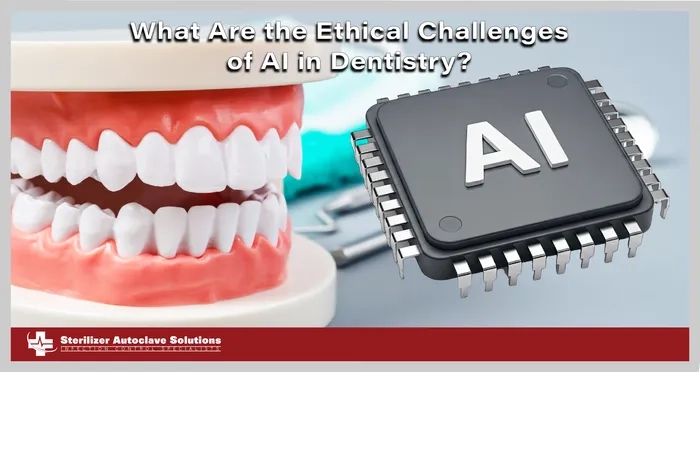
What Are the Ethical Challenges of AI in Dentistry?
Artificial intelligence is quickly becoming the newest member of the dental team, acting as a high-tech “second set of eyes” for everything from reading X-rays to planning complex surgeries. While it’s exciting to think about a computer helping to perfect a smile, this digital shift brings up some big questions. Because AI learns from data provided by humans, it can inadvertently inherit our mistakes or overlook the unique needs of diverse patient populations.
Understanding the ethics behind these tools is crucial. At the end of the day, a dental visit is about more than just a screen—it’s about the trust between a patient and their provider. Below, we explore the major ethical challenges of AI integration and how they impact modern dental practices.
What Are the Ethical Challenges of AI in Dentistry?
Algorithmic Bias
The promise of AI is that it provides an objective perspective, but an algorithm is only as impartial as the data used to train it. A 2025 study published in PubMed Central highlights that algorithmic bias acts as a “silent threat” to equity, particularly in low-resource settings where training data may not reflect the local population. If a diagnostic AI is developed using clinical records primarily from one demographic or geographic region, it learns a narrow definition of what health or disease looks like.
For instance, certain dental conditions present differently across varied ethnicities, and socioeconomic factors heavily influence the progression of periodontal disease. When a practitioner uses biased software, they risk systematically under-diagnosing marginalized groups, turning a high-tech tool into a source of health inequality. Achieving true ethical balance requires developers to be radically transparent about their data sources and for dentists to remain vigilant in ensuring the tool works equally well for everyone.
The Explainability Crisis and Patient Autonomy
A cornerstone of modern medicine is informed consent—the principle that a patient should never undergo a procedure without understanding the reasoning behind it. AI complicates this through what experts call the “black box” problem. According to the International Association for Dental Research, the lack of transparency in how deep-learning models reach conclusions makes it difficult for practitioners to uphold patient autonomy. Many advanced models are so complex that they cannot explain their own logic. They can flag a suspicious area on a scan, but they cannot articulate the specific biological markers that led to that conclusion. This creates an ethical dilemma:
The Dilemma: Should a doctor trust and recommend a treatment plan based on calculations they cannot fully explain to the patient?
Without “explainable AI”—tools that provide visual justifications like heat maps or clear annotations—a patient’s ability to make a fully informed choice is compromised. The dentist’s role must therefore evolve into that of a translator, bridging the gap between algorithmic data and human-centered care.
The Preservation of Human Judgment
As AI tools become integrated into daily office workflows, there is a subtle psychological danger known as automation bias. Writing for MedEdPublish , researchers explain that humans have a natural tendency to over-rely on automated suggestions, assuming the computer is correct and failing to double-check its work. In a busy dental practice, the speed of AI can be seductive. A clinician might overlook their own intuition or a patient’s unique clinical history in favor of a screen’s suggestion. This is particularly concerning when it leads to over-treatment—such as filling an incipient lesion that an experienced dentist would traditionally choose to monitor. To use AI ethically, the practitioner must treat the software as a helpful assistant rather than an infallible authority.
Privacy and Security of Patient Records
AI thrives on data, requiring massive amounts of personal health information to improve its diagnostic accuracy. While this leads to better software, it also creates new vulnerabilities for patient privacy. The California Dental Association warns that even seemingly harmless uses of AI , such as using public generative models to summarize patient notes, can lead to severe HIPAA violations if the data is not strictly secured. In the digital age, a dental record is a valuable asset that must be protected from breaches and unauthorized use. Ethically, practices must ensure that any AI vendor they partner with adheres to strict security standards, guaranteeing that data is fully encrypted and anonymized.
Maintaining Accountability
One of the most complex ethical frontiers in dental technology is accountability when a machine gets it wrong. As noted by Complete Smiles Bella Vista, the legal burden currently rests almost entirely on the dentist, even if the error was caused by a software glitch. If an AI -designed crown doesn’t fit properly, or if an algorithm fails to detect a serious infection, the legal path to accountability remains a gray zone. At present, the law views the dentist as the “learned intermediary,” meaning the doctor bears the full weight of liability for the final treatment performed. Until regulatory frameworks clearly define the responsibilities of software developers versus practitioners, dentists must maintain a healthy skepticism toward automated outputs.
How Can We Prevent Issues in AI Integration?
Managing AI in the workplace is much like managing any other clinical protocol. Because the technology is constantly evolving, safety regulations are shifting along with it. Based on insights from industry compliance analyses, here are the necessary best practices for dental professionals integrating AI :
Understand the Limitations: AI is a machine learning program, not a certified clinician. Staying updated on the specific capabilities and boundaries of your software prevents over-reliance.
Always Follow Privacy Guidelines: Data privacy must be strictly monitored. Ensure your tools utilize robust data encryption, maintain strict HIPAA compliance, and always secure patient consent when utilizing AI tools for their care.
Keep AI in a Support Role Only: AI cannot replicate years of hands-on experience and human intuition. It is an excellent diagnostic aid, but your clinical expertise must always make the final decision.
Monitor Evolving Regulations: Organizations like the ADA and FDA frequently update their guidelines regarding artificial intelligence in healthcare. Keep a close eye on these official updates to ensure your practice stays compliant.
Check and Verify Accuracy: Technology isn’t perfect, and AI models have the capacity to be wrong. Always cross-reference the AI‘s findings against your own clinical observations to guarantee accuracy across your patient population.
Final Thoughts
At the end of the day, AI is a powerful assistant, but it isn’t the one with the dental degree. Think of it like a high-end GPS: it can give great directions and spot obstacles ahead, but the dentist is still the one with their hands on the wheel making the final calls.
While technology can make visits faster and more accurate, it cannot replace the years of experience, intuition, and personal care that a human doctor provides. By using AI as a support tool rather than an automated boss, dental practices can offer the best of both worlds—cutting-edge technology and a human touch that ensures every patient is treated like a person, not just a data point.
If you have any questions about sterilization, infection control, or anything else, give us a call at 704-966-1650 and we’ll help you find what you need.
As always if you have any questions about this process or anything else please feel free to contact us and take advantage of our “FREE TECH SUPPORT.”
We also offer FREE VIRTUAL TECH SUPPORT to “See and Talk” with a “Real Time Live Technician” for any problems you may be in need of help with.
You can also use our “FREE MAINTENANCE PROGRAM”. Take the guesswork and worrying about what unit is due for maintenance and which maintenance cycle it is time for. We will keep track of all your autoclaves and let you know when it’s time for anything.