What is the Importance of Water Quality in Sterilization?
When most people think about any procedure involving complex instruments or tools… their minds naturally go to the process itself. Things you’d see ranging from medical or surgical procedures to even tattoos and piercings. They always think about what goes into the process. But to get to that point, a lot of those instruments go through their own lengthy process before they’re in anyone’s hands.
Instrument reprocessing is a vast cycle, which we’ve talked about before. Going from use to reuse, they’re put through a gauntlet of steps from washing and sterilization all the way to sterile storage before they’re unwrapped and used again. But no one stops to think, “How do they manage to keep the tools so sterile throughout it all?” There are many standards and procedures that go into it, but we want to focus on just one facet of it today: water quality.
Water quality has an enormous impact on different parts of the reprocessing cycle. Proper water quality ensures that, from start to finish, your tools are cleaned and sterilized to the highest standards… all to prevent potential infection risks associated with improper care. What’s more, poor water quality can have negative effects not only on the tools but on the very machines you use to clean and sterilize them. So in this article, we’ll go into the importance of water quality and even give you a look at one of our technician’s personal experiences with the dangers of poor water quality.
What is Water Quality in Sterilization?
The question of “what is water quality?” may seem simple to answer, but there’s more to it than what’s on the surface. Water is used in some of the most important steps in the instrument reprocessing cycle, from the water used in the instrument washers… to the water in an autoclave chamber that converts to steam for sterilization. All infection control and sterilization technology is held to a standard when it comes to water quality.
The standard is what sets the precedent for water quality across all uses of infection control, everywhere. Any practice where instrument reprocessing is utilized means that the water quality needs to be upheld. But what is the standard?
Well, for the answer to that, we look towards the Association for the Advancement of Medical Instrumentation, or AAMI. In the world of infection control, you may recognize that name, as they set various standards across many different things. For the sake of water quality, we’ll be looking at ANSI/AAMI ST108.
What is ANSI/AAMI ST108?
ANSI/AAMI ST108 is the American National Standard that establishes minimum water quality requirements for processing and sterilizing reusable medical devices. It uses various defining parameters like utility water, critical water, and steam purity levels. In layman’s terms, it outlines the essential criteria for water quality to efficiently process medical devices. Here is how those parameters are broken down:
Utility Water: This is essentially your everyday tap water, sometimes lightly filtered or softened. With any tool, there’s an initial rinsing process or manual scrubbing, just to start the process. It details the cycle of any initial washing and intermediate rinsing to wash away any heavier debris. This helps properly prep the tools for deeper cleaning.
Critical Water: Critical water is where the deeper processes begin. Critical water is the water that goes through any multi-step filtration processes, like reverse osmosis or deionization, for example. This heavily filters the water, stripping away minerals, organic materials, and even microorganisms. This process helps to remove any impurities that can potentially cause issues. Impure water can cause instruments to pit, stain, corrode, or worse.
Steam: This is the step we all know and love: the autoclave’s steam sterilization. For autoclaves that use steam sterilization, the water used must meet strict purity guidelines. Since the instruments inside need to be STERILE, the water quality makes all the difference, as it impacts steam purity and performance.
ST108 links pure water directly to patient health, instrument care, machine lifespan, and overall quality control. It elevates water management from a simple one-time hardware purchase into a dynamic routine focused on ongoing testing, active maintenance, clear accountability, and continuous performance tracking.
How Poor Water Quality Can Affect Your Autoclave
Now that we’ve discussed the standard of water quality, we now have to look at the downsides. How can poor water quality impact you and your equipment? This section also helps to better answer the question some may have: “Why can’t I just use tap water?”
Mineral Scale Buildup (Limescale): Hard water contains high levels of calcium and magnesium. When heated into steam, these minerals separate and leave behind chalky scale deposits on heating elements, sensors, and chamber walls. This scale acts as an insulator, forcing heating elements to work harder, overheat, and prematurely burn out.
Clogged Valves and Solenoids: Scale doesn’t just sit on chamber walls—it flakes off into tiny pieces that travel through internal piping. These mineral chips lodge inside delicate check valves, solenoid valves, and steam traps, which can cause steam leaks, pressure errors, and aborted cycles.
Pitting and Corrosion: High levels of chlorides (like salt and chlorine) in untreated water eat through the protective passive layer on stainless steel chambers. This causes microscopic pitting corrosion. Once pitting starts, the smooth surface of the steel is permanently compromised, and it creates rough spots where bacteria and rust can hide.
Water Level Sensor Malfunctions: Many modern autoclaves use electrical conductivity sensors to measure chamber water levels. Excessive minerals create false readings, while distilled water with too little conductivity (or heavy mineral buildup coating the sensor tip) can trick the machine into running dry or overfilling.
Shortened Machine Lifespan and Costly Repairs: What starts as minor staining eventually leads to steam generator failures, blown heaters, leak failures, and unexpected downtime. Facilities that ignore water quality often spend thousands on emergency repairs that routine water treatment could have easily prevented.
An Example from the Field
We recently had an example from one of our technicians’ in-person repairs on the topic of water quality. They had visited an outpatient surgery center and had a firsthand encounter with the consequences… specifically, how water quality and preventative maintenance impacted the condition and reliability of the autoclave.
Here’s what our technician had to say about the situation:
“Mineral buildup, corrosion, and accumulated deposits can take a significant toll on sterilizers and their associated components over time. Left unaddressed, these conditions can contribute to equipment failures, costly repairs, and potential compliance concerns. In this case, the condition of the equipment had raised serious concerns during the boiler inspection process, putting the facility’s ability to continue operating at risk.”
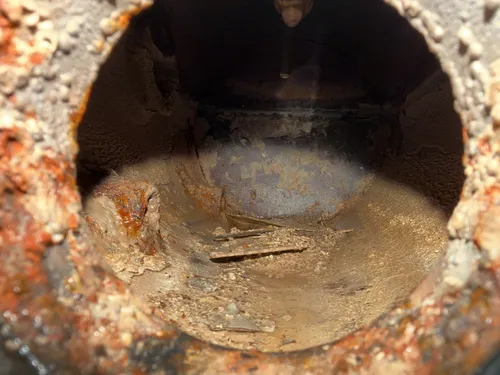
They noted that the photos provided were taken after they had already removed the water from the unit, also stating:
A significant amount of sediment came out with that water, highlighting just how important proper water quality and routine maintenance are to the long-term health of this equipment.”
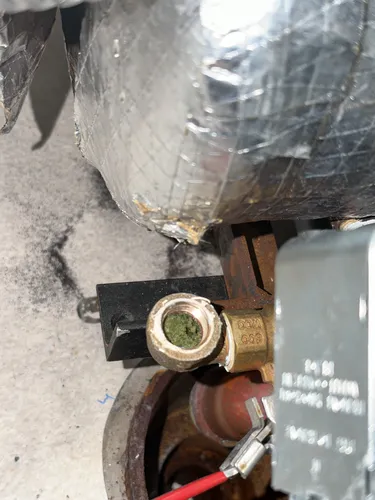
Our technician explained that one of the most important parts of maintaining these systems is addressing the root cause… not just the symptoms. And they had explained to the owner the importance of proper water treatment, as well as the benefits of installing a water softener. They also stated:
“It’s a great reminder that water quality and preventive maintenance go hand in hand. Proper water treatment, routine inspections, and timely maintenance can help protect equipment, reduce avoidable downtime, and support the reliable operation of critical sterilization systems.”
Final Thoughts
At the end of the day, water quality isn’t just an administrative checklist item—it’s the backbone of effective infection control and equipment longevity. As ANSI/AAMI ST108 emphasizes, protecting your instruments and sterilizers requires moving away from reactive fixes and leaning into proactive water management. Ignoring water purity might save a few minutes today, but as our technician’s field experience shows, it costs thousands in emergency repairs, failed inspections, and aborted cycles tomorrow.
By treating water quality as a core component of your daily routine—through proper filtration, routine testing, and consistent preventive maintenance—you protect your investment, extend the life of your equipment, and, most importantly, keep your patients safe. If you’re unsure whether your current setup meets ST108 standards, take a look at your water line today—your autoclave will thank you.
If you have any questions about water quality, autoclave troubleshooting or anything else… Give us a call at 704-966-1650 Option 3 for our Free Tech Support Line.
As always if you have any questions about this process or anything else please feel free to contact us and take advantage of our “FREE TECH SUPPORT.”
We also offer FREE VIRTUAL TECH SUPPORT to “See and Talk” with a “Real Time Live Technician” for any problems you may be in need of help with.
You can also use our “FREE MAINTENANCE PROGRAM”. Take the guesswork and worrying about what unit is due for maintenance and which maintenance cycle it is time for. We will keep track of all your autoclaves and let you know when it’s time for anything.