What Are UVC Robots in Healthcare?
As the year comes to a close and we look at the latter half of the decade, the focus in healthcare is on modern technology. We talk a lot about modern sterilization, and have even written an article on the advancements in things like AI integration into modern practices. But there are many other branching paths in the road to technologic evolution… With some of them even going under people’s radar if they’re not always in the know.
Which is why in this article, we want to talk about one advancement in disinfection technology: the UVC Robots. We’ll talk about what UVC robots are, why they’re becoming more essential, and the notable reasons why, like most “autonomous solutions”… that they’re not a replacement, but an enhancement for what your current practice can do.
What Are UVC Robots?
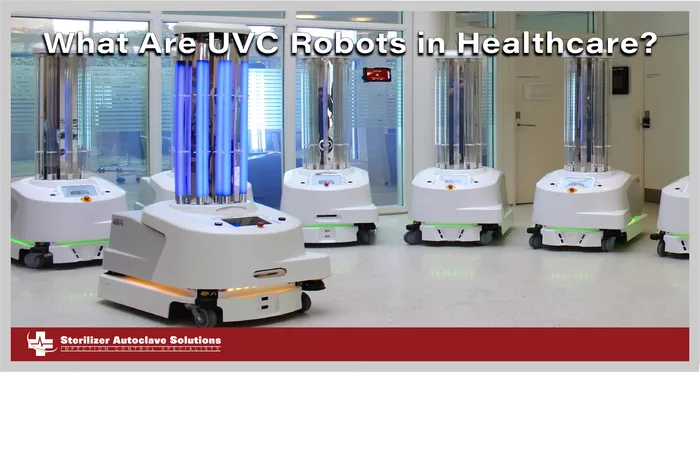
Believe it or not, the name is an apt description in and of itself. UVC Robots are autonomous mobile systems equipped with Ultraviolet-C lamps designed to neutralize pathogens. They mostly use short-range UV light, and target microorganisms by disrupting or damaging their genetic material. This in turn, renders them unable to replicate or spread. Which sounds very similar to what higher grade disinfection products are able to do.
Unlike some static UV lamps that practices have used, where they mount to corners of the room or certain areas in need of high exposure… UVC Robots can navigate any environment independently. With some technologies allowing them to detect high and low risk zones and produce the necessary dose of ultraviolet light to eliminate pathogens.
Why Are They Becoming More Prominent?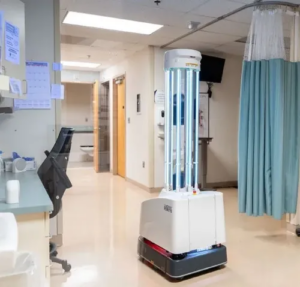
UVC Robots, along with many other modern and/or autonomous advancements in medical technology exist for a variety of reasons. Which can boil down to similar points as many other innovations you’ll come to find. The integration of UVC Robotics is mainly driven by a mix of the clinical necessity of UV light, and the efficiency of autonomy:
- Combating Superbugs: UVC technology is broadly effective against a wide variety of harmful microorganisms. Including tough, drug-resistant pathogens that standard disinfection can sometimes struggle to completely eradicate, namely, superbugs.
- Eliminating Human Error: Manual cleaning is prone to missed spots due to fatigue or oversight. Autonomous robots bring standardized consistency to the sanitization process, removing the element of guesswork.
- Residue-Free and Fast Turnover: Unlike chemical disinfectants, UVC light leaves behind no toxic chemical residues and requires no lengthy air-ventilation periods. A standard room cycle can often be completed in just minutes. Which significantly accelerates room turnover and allowing hospitals to admit new patients faster.
- Staff Safety and Documentation: Because UVC light is harmful to human skin and eyes, these robots operate in empty rooms and feature automatic safety shut-offs if motion is detected. Furthermore, many models generate digital audit logs after every cycle, helping facilities effortlessly track compliance and regulatory standards.
Why UVC Isn’t A Replacement
While talking about the evolution and importance of UVC disinfection is important… One important thing to note is why it is not meant to be a replacement to basic infection prevention. UVC light helps keep sterilization storage rooms and other environments within a certain level of sterility, but like anything, it has downsides. When integrating or even upgrading to different tech like UVC Robots, healthcare professionals need to note the various limitations involved.
Shadows for example, are a big disadvantage. UVC light operates like visible light, where it travels in a straight line and can’t bend itself. Which means if there’s anything in the environment shadowed by something larger, exposure becomes little to none. Things that are shadowed behind furniture, medical equipment, things behind privacy curtains, etc. If there’s no room for the light to shine, it can’t effectively do its job.
Dirt and organic matter are, well, another matter entirely. If there’s any form of dirt or debris around, UVC lights can’t penetrate it no matter how close they get. If a surface is visibly dirty, dusty, or even if it contains any form of organic matter, any microorganisms underneath it essentially have a foolproof shield. Which leads into the last point.
Infection control and prevention practices are held up to standards to keep a practice free of any potential health risks. Said practices must contain manual cleaning, which is mandatory no matter where you go. While we do live in an age of people trying to skirt around the responsibility and leave it to automation… Physical cleaning, surface disinfection, and proper sterilization are the ONLY ways to remove physical hurdles in any practice.
Final Thoughts
As healthcare technology continues to advance, things like UVC Robots offer an exciting glimpse into the future of infection control. They bring unprecedented consistency, speed, and extra protection against resilient pathogens to modern practices. However, true environmental hygiene isn’t achieved by pushing a button and walking away, UVC Robots should be viewed as an extraordinary ally. An added layer of defense rather than replacing the fundamental, hands-on protocols of manual cleaning, surface disinfection, and instrument sterilization.
If you have any questions about infection control products, sterilization, or anything else… Give us a call at 704-966-1650 and we’ll help you find what you need. You can also find our various available programs using the links below. These services are accessible to anyone, anytime for FREE, whether you’ve bought from us or not!
As always if you have any questions about this process or anything else please feel free to contact us and take advantage of our “FREE TECH SUPPORT.”
We also offer FREE VIRTUAL TECH SUPPORT to “See and Talk” with a “Real Time Live Technician” for any problems you may be in need of help with.
You can also use our “FREE MAINTENANCE PROGRAM”. Take the guesswork and worrying about what unit is due for maintenance and which maintenance cycle it is time for. We will keep track of all your autoclaves and let you know when it’s time for anything.